
Moving to Korea is exciting, but everyday life quickly teaches you that textbook Korean and real-life Korean are not always the same thing.
Ordering food or introducing yourself is one thing. Explaining that you’ve lost your passport, describing symptoms at a hospital, or asking what to do after a cancelled train is something else entirely. These situations often happen unexpectedly, and staff may speak quickly or use vocabulary you have not practiced before.
The good news is that you do not need perfect Korean to handle everyday situations more confidently. Many interactions follow familiar patterns, and learning a few useful phrases in advance can make it much easier to understand what is happening and respond appropriately.
In this guide, you’ll learn 42 practical Korean phrases across six situations that residents and long-term visitors commonly face: the post office, hospitals and clinics, customer service, police, emergencies, and transportation problems. Each section includes Korean script, romanization, English meanings, a short dialogue, and useful vocabulary.
Table of Contents
What Korean Phrases Do You Need for Daily Life in Korea?
If you’re living in Korea, or planning to move there, you do not need to memorize thousands of words before you can function confidently. It is more useful to learn phrases for the situations you are actually likely to encounter.
This guide focuses on:
- Sending letters and packages at the post office
- Visiting a hospital or clinic
- Calling customer service
- Speaking with the police
- Handling emergencies
- Solving transportation problems
For a broader guide covering immigration, government services, banking, healthcare, housing, utilities, and more, see The Ultimate Korean Guide for Living in Korea: 160+ Essential Phrases for Visa, Immigration, Moving & Daily Life.
At the Post Office: Sending Packages, Registered Mail, and Tracking Deliveries

Whether you’re mailing documents, sending a package abroad, buying stamps, or using tracked mail, you’ll probably need a post office at some point while living in Korea.
For extra listening practice, KoreanClass101’s Sending a Package from Korea – Video Conversation lesson uses a realistic post-office dialogue.
Common Situations
You may visit the post office to:
- Send a domestic package
- Send a parcel internationally
- Buy stamps
- Use registered or tracked mail
- Ask about delivery tracking
- Ask about delivery times
Essential Korean Phrases
| Korean | Romanization | English |
|---|---|---|
| 소포를 보내고 싶어요. | Soporeul bonaego sipeoyo. | “I’d like to send a package.” |
| 국제우편으로 보내고 싶어요. | Gukje upyeoneuro bonaego sipeoyo. | “I’d like to send it by international mail.” |
| 이 소포를 보내는 데 얼마예요? | I soporeul bonaeneun de eolmayeyo? | “How much does it cost to send this package?” |
| 배송 조회가 되나요? | Baesong johoega doenayo? | “Can I track the shipment?” |
| 우표를 사고 싶어요. | Upyoreul sago sipeoyo. | “I’d like to buy some stamps.” |
| 등기로 보내고 싶어요. | Deunggiro bonaego sipeoyo. | “I’d like to send it by registered mail.” |
| 며칠 정도 걸리나요? | Myeochil jeongdo geollinayo? | “About how many days will it take?” |
Sample Dialogue
Customer
소포를 보내고 싶어요.
Soporeul bonaego sipeoyo.
“I’d like to send a package.”
Clerk
국내로 보내세요, 해외로 보내세요?
Gungnaero bonaeseyo, haeoe-ro bonaeseyo?
“Are you sending it domestically or overseas?”
Customer
해외로 보내려고 해요. 배송 조회가 되나요?
Hae oero bonaeryeogo haeyo. Baesong johoega doenayo?
“I’m sending it overseas. Can I track the shipment?”
Clerk
네. 어떤 서비스를 이용하실지 확인해 드릴게요.
Ne. Eotteon seobiseureul iyonghasilji hwaginhae deurilgeyo.
“Yes. I’ll check which service you can use.”
Useful Vocabulary
| Korean | Romanization | English |
|---|---|---|
| 우체국 | ucheguk | “post office” |
| 소포 | sopo | “package / parcel” |
| 우표 | upyo | “stamp” |
| 우편 요금 | upyeon yogeum | “postage” |
| 배송 조회 | baesong johoe | “shipment tracking” |
| 등기우편 | deunggi upyeon | “registered mail” |
| 국제우편 | gukje upyeon | “international mail” |
If you’re sending an international item, Korea Post’s Track & Trace service can be used for eligible EMS, registered, and parcel items.
Visiting a Hospital or Clinic
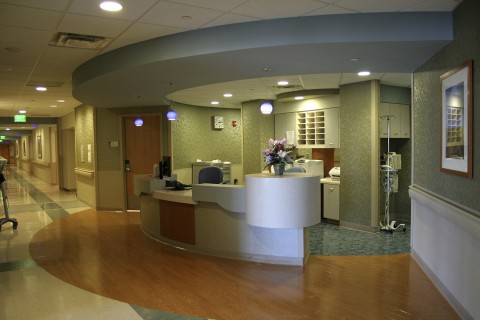
Nobody plans to get sick, but learning a few medical phrases before you need them can make a hospital or clinic visit much less stressful.
KoreanClass101’s A Visit to a Korean Doctor lesson provides extra practice with natural medical Korean.
If you are enrolled in Korea’s National Health Insurance system, your coverage can generally be confirmed through the healthcare system. Eligibility for foreign residents depends on factors such as employment, residence status, and length of stay.
Common Situations
At a hospital or clinic, you may need to:
- Say that it is your first visit
- Ask whether health insurance applies
- Describe your symptoms
- Explain where you have pain
- Ask whether someone speaks English
- Find out where to get medicine
Essential Korean Phrases
| Korean | Romanization | English |
|---|---|---|
| 처음 왔어요. | Cheoeum wasseoyo. | “This is my first visit.” |
| 건강보험이 적용되나요? | Geongang boheomi jeogyongdoenayo? | “Does health insurance apply?” |
| 열이 있어요. | Yeori isseoyo. | “I have a fever.” |
| 머리가 아파요. | Meoriga apayo. | “I have a headache.” |
| 배가 아파요. | Baega apayo. | “My stomach hurts.” |
| 영어 하시는 분 계세요? | Yeongeo hasineun bun gyeseyo? | “Is there anyone who speaks English?” |
| 약은 어디에서 받을 수 있나요? | Yageun eodieseo badeul su innayo? | “Where can I get my medicine?” |
Sample Dialogue
Receptionist
처음 오셨어요?
Cheoeum osyeosseoyo?
“Is this your first visit?”
Patient
네, 처음 왔어요.
Ne, cheoeum wasseoyo.
“Yes, this is my first visit.”
Receptionist
어디가 불편하세요?
Eodiga bulpyeonhaseyo?
“What seems to be the problem?”
Patient
열이 있고 머리가 아파요.
Yeori itgo meoriga apayo.
“I have a fever and a headache.”
Useful Vocabulary
| Korean | Romanization | English |
|---|---|---|
| 병원 | byeongwon | “hospital” |
| 의원 | uiwon | “clinic / doctor’s office” |
| 의사 | uisa | “doctor” |
| 간호사 | ganhosa | “nurse” |
| 증상 | jeungsang | “symptom” |
| 처방전 | cheobangjeon | “prescription” |
| 약 | yak | “medicine” |
| 약국 | yakguk | “pharmacy” |
| 건강보험 | geongang boheom | “health insurance” |
Helpful Phrases When You Don’t Understand
다시 한 번 말씀해 주세요.
Dasi han beon malsseumhae juseyo.
“Please say that one more time.”
조금 천천히 말씀해 주세요.
Jogeum cheoncheonhi malsseumhae juseyo.
“Please speak a little more slowly.”
For official information about National Health Insurance for foreign residents, see the National Health Insurance Service’s guidance for foreigners.
Calling Customer Service
Calling an internet provider, phone company, bank, utility company, insurer, or another service provider can feel intimidating if Korean is not your first language.
The good news is that these calls are usually structured. You may be asked for your name, phone number, address, customer number, or other account information before the representative can help.
For useful telephone language, see KoreanClass101’s On the Phone lesson.
Common Situations
You may need to contact customer service to:
- Report a service problem
- Ask about your account
- Change your address
- Modify a contract
- Ask about a bill
- Request technical support
Essential Korean Phrases
| Korean | Romanization | English |
|---|---|---|
| 서비스에 문제가 있어요. | Seobiseue munjega isseoyo. | “I have a problem with the service.” |
| 인터넷이 안 돼요. | Inteoneti an dwaeyo. | “The internet isn’t working.” |
| 계약을 변경하고 싶어요. | Gyeyageul byeongyeonghago sipeoyo. | “I’d like to change my contract.” |
| 주소를 변경하고 싶어요. | Jusoreul byeongyeonghago sipeoyo. | “I’d like to change my address.” |
| 다시 설명해 주시겠어요? | Dasi seolmyeonghae jusigesseoyo? | “Could you explain that again?” |
| 조금 천천히 말씀해 주세요. | Jogeum cheoncheonhi malsseumhae juseyo. | “Please speak a little more slowly.” |
| 상담원과 통화하고 싶어요. | Sangdamwongwa tonghwahago sipeoyo. | “I’d like to speak to a customer-service representative.” |
Sample Dialogue
Representative
안녕하세요. 무엇을 도와드릴까요?
Annyeonghaseyo. Mueoseul dowadeurilkkayo?
“Hello. How can I help you?”
Customer
인터넷이 안 돼요.
Inteoneti an dwaeyo.
“The internet isn’t working.”
Representative
확인해 보겠습니다. 고객 번호가 어떻게 되세요?
Hwaginhae bogetseumnida. Gogaek beonhoga eotteoke doeseyo?
“I’ll check. What is your customer number?”
Customer
잠시만요.
Jamsimanyo.
“One moment, please.”
Useful Vocabulary
| Korean | Romanization | English |
|---|---|---|
| 고객센터 | gogaek senteo | “customer service center” |
| 상담원 | sangdamwon | “customer-service representative” |
| 계약 | gyeyak | “contract” |
| 요금 | yogeum | “charge / fee” |
| 청구서 | cheongguseo | “bill / invoice” |
| 고장 | gojang | “breakdown / malfunction” |
| 고객 번호 | gogaek beonho | “customer number” |
| 해지 | haeji | “cancellation / termination” |
Going to the Police Station
Hopefully, you will not often need police assistance, but it is useful to know what to say if you lose important documents, have something stolen, need to make a report, or need urgent help.
For emergency-language practice, KoreanClass101’s Help! in Korean lesson covers how to ask for help and call the police.
Common Situations
You may need the police to:
- Report a lost wallet or passport
- Report a stolen item
- Make a police report
- Ask where to report lost property
- Ask for immediate help
- Ask whether someone speaks English
Essential Korean Phrases
| Korean | Romanization | English |
|---|---|---|
| 지갑을 잃어버렸어요. | Jigabeul ireobeoryeosseoyo. | “I lost my wallet.” |
| 여권을 잃어버렸어요. | Yeogwoneul ireobeoryeosseoyo. | “I lost my passport.” |
| 자전거를 도난당했어요. | Jajeongeoreul donandanghaesseoyo. | “My bicycle was stolen.” |
| 신고하고 싶어요. | Singohago sipeoyo. | “I’d like to make a report.” |
| 도와주세요. | Dowajuseyo. | “Please help me.” |
| 영어 하시는 분 계세요? | Yeongeo hasineun bun gyeseyo? | “Is there anyone who speaks English?” |
| 분실 신고는 어디에서 하나요? | Bunsil singoneun eodieseo hanayo? | “Where do I report a lost item?” |
Sample Dialogue
Police Officer
무슨 일이세요?
Museun iriseyo?
“What happened?”
Resident
자전거를 도난당했어요. 신고하고 싶어요.
Jajeongeoreul donandanghaesseoyo. Singohago sipeoyo.
“My bicycle was stolen. I’d like to make a report.”
Police Officer
언제, 어디에서 없어졌나요?
Eonje, eodieseo eopseojyeonnayo?
“When and where did it go missing?”
Resident
어젯밤에 역 앞에서 없어졌어요.
Eojetbame yeok apeseo eopseojyeosseoyo.
“It disappeared in front of the station last night.”
Useful Vocabulary
| Korean | Romanization | English |
|---|---|---|
| 경찰 | gyeongchal | “police” |
| 경찰서 | gyeongchalseo | “police station” |
| 지구대 | jigudae | “local police patrol station” |
| 분실 | bunsil | “loss / lost property” |
| 도난 | donan | “theft” |
| 신고 | singo | “report” |
| 지갑 | jigap | “wallet” |
| 여권 | yeogwon | “passport” |
| 신분증 | sinbunjeung | “identification card” |
Survival Tip
When you’re stressed, start with one clear sentence:
지갑을 잃어버렸어요.
Jigabeul ireobeoryeosseoyo.
“I lost my wallet.”
여권을 잃어버렸어요.
Yeogwoneul ireobeoryeosseoyo.
“I lost my passport.”
도와주세요.
Dowajuseyo.
“Please help me.”
Once the officer understands the situation, they can guide the conversation with follow-up questions.
Emergency Situations
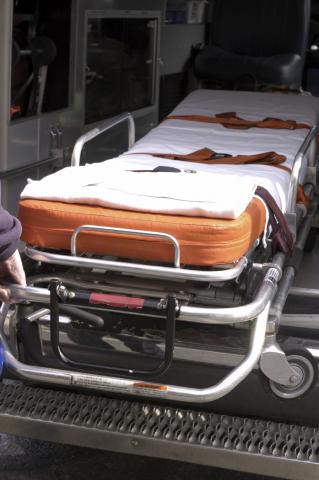
Emergencies are stressful in any language. Whether you need urgent medical help, witness an accident, or discover a fire, clear communication matters much more than perfect grammar.
In Korea:
- 112 = Police
- 119 = Fire department and ambulance
If you have difficulty speaking Korean during an emergency call, interpretation support may be available.
Common Situations
You may need Korean if you:
- Need an ambulance
- Witness an accident
- Report a fire
- Need the police
- Cannot breathe
- Need to explain your location
Essential Korean Phrases
| Korean | Romanization | English |
|---|---|---|
| 도와주세요! | Dowajuseyo! | “Help!” |
| 구급차를 불러 주세요. | Gugeupchareul bulleo juseyo. | “Please call an ambulance.” |
| 불이 났어요. | Buri nasseoyo. | “There’s a fire.” |
| 사고가 났어요. | Sagoga nasseoyo. | “There’s been an accident.” |
| 숨을 쉴 수 없어요. | Sumeul swil su eopseoyo. | “I can’t breathe.” |
| 경찰을 불러 주세요. | Gyeongchareul bulleo juseyo. | “Call the police, please.” |
| 역 앞에 있어요. | Yeok ape isseoyo. | “I’m in front of the station.” |
Sample Dialogue
Emergency Operator
119입니다. 어떤 일이세요?
Il-il-guimnida. Eotteon iriseyo?
“119. What is the emergency?”
Caller
사고가 났어요. 구급차를 보내 주세요.
Sagoga nasseoyo. Gugeupchareul bonae juseyo.
“There’s been an accident. Please send an ambulance.”
Operator
어디에 계세요?
Eodie gyeseyo?
“Where are you?”
Caller
역 앞에 있어요.
Yeok ape isseoyo.
“I’m in front of the station.”
Useful Vocabulary
| Korean | Romanization | English |
|---|---|---|
| 구급차 | gugeupcha | “ambulance” |
| 소방차 | sobangcha | “fire truck” |
| 화재 | hwajae | “fire” |
| 사고 | sago | “accident” |
| 부상 | busang | “injury” |
| 응급실 | eunggeupsil | “emergency room” |
| 응급 상황 | eunggeup sanghwang | “emergency situation” |
If You Don’t Know Your Exact Location
Tell the operator the nearest:
- Subway or train station
- Convenience store
- Intersection
- Building
- Landmark
For current emergency guidance for international visitors, see VISITKOREA’s disaster safety guidance.
Transportation Problems
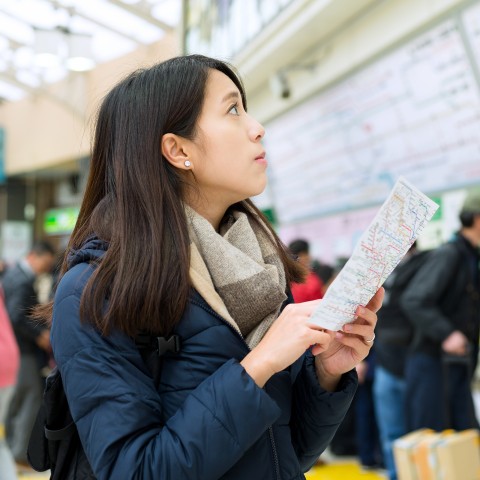
Korea has extensive subway, bus, and rail systems, but delays, cancellations, missed connections, and ticket problems can still happen.
For extra practice with train and subway language, KoreanClass101’s Riding the Korean Rails 2 lesson covers useful station and ticket expressions.
Common Situations
You may need help when:
- Your train is delayed
- Your train is cancelled
- You need to find the correct platform
- You need to confirm where a train goes
- You miss a connection
- You need to buy another ticket
- You need to know where to transfer
Essential Korean Phrases
| Korean | Romanization | English |
|---|---|---|
| 기차가 지연됐나요? | Gichaga jiyeondoenayo? | “Is the train delayed?” |
| 제 기차가 취소됐어요. | Je gichaga chwisodwaesseoyo. | “My train was cancelled.” |
| 이 기차가 부산에 가나요? | I gichaga Busane ganayo? | “Does this train go to Busan?” |
| 몇 번 승강장인가요? | Myeot beon seunggangjanginayo? | “Which platform is it?” |
| 환승을 놓쳤어요. | Hwanseungeul nochyeosseoyo. | “I missed my connection.” |
| 표를 다시 사야 하나요? | Pyoreul dasi saya hanayo? | “Do I need to buy another ticket?” |
| 어디에서 갈아타야 하나요? | Eodieseo garataya hanayo? | “Where do I need to transfer?” |
Sample Dialogue
Passenger
실례합니다. 제 기차가 취소됐어요. 부산행 다음 기차가 언제예요?
Sillyehamnida. Je gichaga chwisodwaesseoyo. Busanhaeng daeum gichaga eonjeyeyo?
“Excuse me. My train was cancelled. When is the next train to Busan?”
Staff Member
오후 네 시 이십 분에 있습니다.
Ohu ne si isip bune itseumnida.
“There’s one at 4:20 p.m.”
Passenger
몇 번 승강장인가요?
Myeot beon seunggangjanginayo?
“Which platform is it?”
Staff Member
7번 승강장입니다.
Chil beon seunggangjangimnida.
“Platform 7.”
Useful Vocabulary
| Korean | Romanization | English |
|---|---|---|
| 기차 | gicha | “train” |
| 지하철 | jihacheol | “subway” |
| 역 | yeok | “station” |
| 승강장 | seunggangjang | “platform” |
| 표 | pyo | “ticket” |
| 지연 | jiyeon | “delay” |
| 취소 | chwiso | “cancellation” |
| 환승 | hwanseung | “transfer” |
Essential Korean Cheat Sheet for Everyday Life
Need a quick refresher before heading out? Save this table to your phone or bookmark the page.
| Situation | Korean | Romanization | English |
|---|---|---|---|
| Post Office | 소포를 보내고 싶어요. | Soporeul bonaego sipeoyo. | “I’d like to send a package.” |
| Post Office | 배송 조회가 되나요? | Baesong johoega doenayo? | “Can I track the shipment?” |
| Medical | 열이 있어요. | Yeori isseoyo. | “I have a fever.” |
| Medical | 머리가 아파요. | Meoriga apayo. | “I have a headache.” |
| Customer Service | 인터넷이 안 돼요. | Inteoneti an dwaeyo. | “The internet isn’t working.” |
| Customer Service | 조금 천천히 말씀해 주세요. | Jogeum cheoncheonhi malsseumhae juseyo. | “Please speak a little more slowly.” |
| Police | 신고하고 싶어요. | Singohago sipeoyo. | “I’d like to make a report.” |
| Police | 도와주세요. | Dowajuseyo. | “Please help me.” |
| Emergency | 구급차를 불러 주세요. | Gugeupchareul bulleo juseyo. | “Please call an ambulance.” |
| Emergency | 경찰을 불러 주세요. | Gyeongchareul bulleo juseyo. | “Call the police, please.” |
| Transportation | 제 기차가 취소됐어요. | Je gichaga chwisodwaesseoyo. | “My train was cancelled.” |
| Transportation | 환승을 놓쳤어요. | Hwanseungeul nochyeosseoyo. | “I missed my connection.” |
How to Practice These Situations Before You Need Them
The best time to learn practical Korean is before you urgently need it.
Focus on Situations You’ll Actually Experience
Practice conversations you are likely to encounter as someone living in Korea:
- Asking for help
- Describing symptoms
- Sending packages
- Reporting stolen or lost items
- Dealing with transportation disruptions
- Making phone calls
- Talking with customer service
Learn Through Complete Dialogues
Studying complete conversations helps you learn more than isolated words. Dialogues show you:
- Natural pronunciation
- Common sentence patterns
- Polite expressions
- Expected responses
- Vocabulary in context
- Conversational rhythm
Over time, you can start recognizing entire chunks of Korean instead of translating word by word.
A Simple Listening Practice Routine
- Listen once without reading.
- Read the transcript.
- Listen again.
- Repeat each sentence aloud.
- Role-play both speakers.
- Review the dialogue again a few days later.
Practice Real-Life Korean with KoreanClass101
The best way to prepare for life in Korea is to practice the conversations you are most likely to have.
KoreanClass101 includes dialogue-based lessons, vocabulary practice, listening exercises, transcripts, and other resources for everyday communication. You can start with Level 1 Korean, an Absolute Beginner pathway aligned with CEFR A1 and TOPIK I, and move into more situation-specific material as your Korean improves.
Whether you are preparing before your move or already living in Korea, regular listening and speaking practice can make these situations feel much more familiar.
When you’re ready to keep building practical Korean through dialogues, vocabulary, and listening practice, start learning real-life Korean with KoreanClass101.
Frequently Asked Questions
Can I live in Korea without speaking Korean?
It is possible to manage some situations with limited Korean, particularly when English-speaking help is available. However, even a small amount of practical Korean can make medical appointments, transportation, customer service, and unexpected problems much easier to handle.
What level of Korean do I need to live comfortably in Korea?
There is no single TOPIK or CEFR level that guarantees comfortable daily life. Real-life communication depends on listening speed, vocabulary, confidence, and the situations you encounter.
Even beginners can make daily life easier by learning practical phrases for the situations they face most often.
Do doctors and hospital staff in Korea speak English?
Some larger hospitals operate international healthcare centers or have staff who can assist in English, but availability varies by facility and location. It is useful to know a few basic medical phrases and how to ask whether someone speaks English.
Which politeness level should I use in these situations?
For staff, doctors, police officers, customer-service representatives, and people you do not know, polite Korean is the safest choice.
The phrases in this guide mainly use the polite -요 style, with some common -습니다/-ㅂ니다 forms in dialogues where they sound natural. Avoid casual speech with strangers in official or service situations unless the relationship clearly allows it.
Final Thoughts
Living in Korea does not require perfect Korean. What matters is being able to communicate when you need help.
Whether you are sending a package, seeing a doctor, reporting a theft, calling customer service, handling an emergency, or dealing with a transportation problem, a few practical phrases can give you a clear way to begin the conversation.
Start with one situation. Practice a few phrases. Listen to a short dialogue. Then build from there. With repeated exposure, conversations that once felt intimidating can become much more manageable.
We’d Love to Hear From You
Which of these six situations would make you the most nervous in Korean?
- Visiting a hospital or clinic
- Going to the post office
- Talking to the police
- Calling customer service
- Handling an emergency
- Asking for help with transportation
Leave a comment below and let us know. We’ll recommend lessons and resources to help you feel more confident in that situation.