If you are learning Korean because you love K-dramas, K-pop, or the vibrant culture of South Korea, you already know the secret to language acquisition: immersion is everything. You don’t want to spend hours staring at a dry, academic grammar textbook. You want to absorb the language naturally, the same way you devour your favorite media.
That’s exactly why diving into Korean short stories is one of the most rewarding steps you can take on your language journey.
Reading fiction allows you to pick up vocabulary in context, internalize sentence structures without memorizing rules, and experience the rhythm of the language. To show you just how accessible this can be, let’s explore two classic Korean folktales.
Two Classic Tales for Your Journey
We have selected two famous fables that every Korean person knows by heart. Because they are traditional folktales, they use straightforward narrative structures. These Korean short stories for beginners are written in simple, accessible language so you can practice reading without feeling overwhelmed.
Story 1: 청개구리 (Cheonggaeguri) – The Green Frog
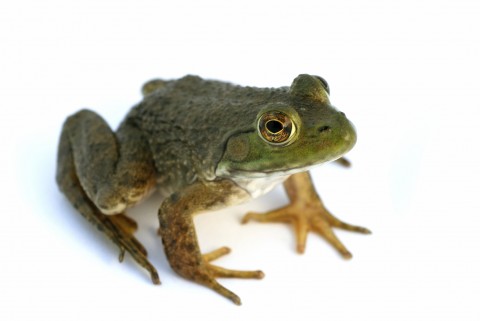
If a Korean mother calls her child a “green frog,” she means the child is being rebellious or always doing the exact opposite of what they are told. Here is the iconic tale of where that idiom comes from!
The Original
옛날에 엄마 개구리와 청개구리가 살았습니다.
(Yennare eomma gaeguriwa cheonggaeguriga saratseumnida.)
청개구리는 항상 반대로 행동했습니다.
(Cheonggaegurineun hangsang bandaerro haengdonghaetseumnida.)
엄마가 “산으로 가라”고 하면 바다로 갔습니다.
(Eommaga “saneuro gara”go hamyeon badaro gatseumnida.)
엄마가 병에 걸렸습니다.
(Eommaga byeonge geollyeotseumnida.)
엄마는 “내가 죽으면 강가에 묻어라”고 말했습니다.
(Eommaneun “naega jugeumyeon ganggae mudeora”go malhaetseumnida.)
산에 묻히고 싶어서 반대로 말한 것입니다.
(Sane muthigo sipeoseo bandaerro malhan geosimnida.)
엄마가 돌아가셨습니다.
(Eommaga doragasyeotseumnida.)
청개구리는 너무 슬펐습니다.
(Cheonggaegurineun neomu seulpeotseumnida.)
이번에는 엄마의 말을 들었습니다.
(Ibeoneneun eommaui mareul deureotseumnida.)
그래서 엄마를 강가에 묻었습니다.
(Geuraeseo eommareul ganggae mudeotseumnida.)
비가 오면 청개구리는 무덤이 떠내려갈까 봐 웁니다.
(Biga omyeon cheonggaegurineun mudeomi tteonaeryeogalkka bwa umnida.)
“개굴개굴!”
(“Gaegul-gaegul!”)
The English Translation
Once upon a time, a mother frog and a green frog lived together.
The green frog always did the opposite.
If the mother said “Go to the mountain,” he went to the sea. His mother grew ill.
She told him, “When I die, bury me by the river.”
She asked for the opposite because she wanted to be buried on the mountain.
The mother passed away. The green frog was so sad.
This time, he listened to his mother’s words. So, he buried his mother by the river.
When it rains, the green frog cries, worrying the grave will wash away. “Ribbit, ribbit!”
Story 2: 흥부와 놀부 (Heungbuwa Nolbu) – Heungbu and Nolbu

This classic tale of two brothers teaches the ultimate lesson about karma and kindness. It is a fantastic example of how reading a short Korean story can introduce you to cultural values while giving you a bite-sized language victory.
The Original
옛날에 형 놀부와 동생 흥부가 살았습니다.
(Yennare hyeong Nolbu-wa dongsaeng Heungbuga saratseumnida.)
놀부는 부자였지만 욕심이 많았습니다.
(Nolbuneun bujayeotjiman yoksimi manatseumnida.)
흥부는 가난했지만 마음이 착했습니다.
(Heungbuneun gananhaetjiman maeumi chakhaetseumnida.)
어느 날, 흥부는 다리가 부러진 제비를 도와주었습니다.
(Eoneu nal, Heungbuneun dariga bureojin jebireul dowajuatseumnida.)
다음 해에 제비가 박 씨를 가져왔습니다.
(Daeum hae-e jebiga bak ssireul gajeowatseumnida.)
흥부가 박을 심었습니다.
(Heungbuga bageul simeotseumnida.)
큰 박이 열렸습니다.
(Keun bagi yeollyeotseumnida.)
박 안에서 금과 은이 나왔습니다.
(Bak aneseo geumgwa euni nawatseumnida.)
흥부는 부자가 되었습니다.
(Heungbuneun bujaga doeotseumnida.)
놀부는 이 소식을 들었습니다.
(Nolbuneun i sosigeul deureotseumnida.)
놀부는 일부러 제비 다리를 부러뜨렸습니다.
(Nolbuneun ilbureo jebi darireul bureotteuryeotseumnida.)
제비가 박 씨를 가져왔습니다.
(Jebiga bak ssireul gajeowatseumnida.)
놀부도 박을 심었습니다.
(Nolbudo bageul simeotseumnida.)
하지만 박 안에서 도깨비가 나왔습니다.
(Hajiman bak aneseo dokkaebiga nawatseumnida.)
놀부는 모든 재산을 잃었습니다.
(Nolbuneun modeun jaesaneul ireotseumnida.)
흥부가 놀부를 도와주었습니다.
(Heungbuga Nolbureu dowajuatseumnida.)
두 사람은 행복하게 살았습니다.
(Du sarameun haengbokhage saratseumnida.)
The English Translation
Once upon a time, two brothers lived together: an older brother named Nolbu and a younger brother named Heungbu.
Nolbu was rich but very greedy. Heungbu was poor but had a kind heart.
One day, Heungbu helped a swallow with a broken leg.
The next year, the swallow brought a gourd seed.
Heungbu planted the gourd. A giant gourd grew. Gold and silver came out from inside the gourd. Heungbu became rich.
Nolbu heard this news. Nolbu broke a swallow’s leg on purpose just so he could fix it. The next year, that swallow also brought a gourd seed.
Nolbu also planted the gourd. However, goblins came out from inside the gourd. Nolbu lost all his wealth.
Heungbu helped Nolbu. The two lived happily ever after.
The Cultural Power of Classic Fables
Reading Korean folktales does much more than improve your reading speed. It unlocks the cultural framework behind the modern media you love. Have you ever noticed a K-drama character calling someone a “greedy Nolbu” or making a joke about a “magic gourd”?
Fables form the bedrock of a society’s shared understanding. When you consume these stories, you are not just learning Korean words; you are learning how Koreans think. You begin to understand the deep-rooted cultural emphasis on filial piety (respecting your parents), kindness to animals, and the belief that the universe rewards a pure heart. This cultural literacy makes watching Korean shows and listening to Korean music infinitely more satisfying.
From Passive Reading to Active Expression

Passive learning—reading for pleasure without constantly pausing to look up grammar rules—is incredibly powerful for building your intuition. But to truly level up, you want to bridge the gap between absorbing the language and using it yourself.
When you finish a story, try summarizing it in just three simple Korean sentences. Even if you make mistakes, the act of pulling vocabulary from your memory and forming original thoughts trains your brain for real-life conversations. You can also try text-chatting with a language partner about the characters. Taking what you passively consume and applying it actively is how you lock that knowledge in forever.
Actionable Tips: Maximizing Your Passive Learning
To get the absolute most out of reading in Korean without turning it into a chore, try integrating these habits:
- Read Aloud: Don’t just read silently. Speak the words. It trains your mouth to form Korean syllables naturally and improves your physical fluency.
- Embrace Context Clues: If you don’t know a word, resist the urge to immediately grab a dictionary. Try to guess its meaning based on the sentence, just like you did when learning your native language as a child.
- Visualize the Scene: As you read, paint a vivid picture in your mind. Connecting Korean words to images and emotions rather than English translations helps you stop translating in your head.
- Shadow the Audio: If you have access to an audiobook or a recording of the story, play it and try to read along at the exact same pace. It does wonders for your intonation!
Ready to Start Your Next Chapter?
Immersion shouldn’t be intimidating; it should be fun, rewarding, and built into your daily routine. If you loved practicing with these tales and want to explore more engaging reading, listening, and speaking resources tailored perfectly to your level, head over to KoreanClass101.com. You’ll find thousands of immersive lessons waiting to help you turn your media consumption into real, usable language skills!