South Korea has rapidly become one of the world’s most influential fashion capitals. From the vibrant streets of Seoul to the global stages of music and television, the Korean style has captivated millions. Whether you are a language learner wanting to understand the cultural context or simply someone passionate about global trends, understanding the evolution of Korean clothing and fashion is a fascinating journey. This guide explores the beautiful history of traditional garments, the dynamic world of modern street style, and everything in between.
Table of Contents- The Roots of Elegance: The Korean Hanbok
- The Evolution: Modern Hanbok
- Riding the Wave: K-Pop and Global Influence
- The Dynamics of Korean Streetwear
- The Rise of Korean Men’s Fashion
- Leading the Charge: Korean Fashion Brands
- Conclusion
1. The Roots of Elegance: The Korean Hanbok
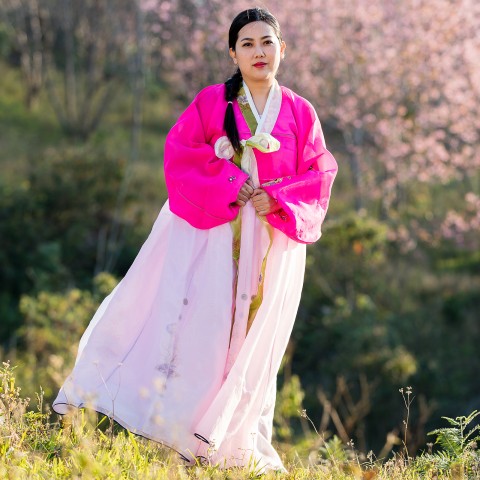
To truly appreciate modern fashion style in Korea, one must first look to its historical foundations. The cornerstone of traditional Korean clothing is the hanbok. Characterized by vibrant colors, simple lines, and an absence of pockets, the Korean hanbok is a breathtaking representation of the country’s aesthetic values.
Historically, the color and fabric of the hanbok indicated the wearer’s social status and marital status. Royalty and high-ranking officials wore garments made of silk, dyed in deep, rich colors. Commoners, on the other hand, typically wore white or pale-colored hemp and cotton. Today, the Korean traditional dress is no longer worn for daily activities by the majority of the population, but it remains a crucial part of cultural identity.
You will see people wearing hanbok on major traditional holidays, at weddings, and on special anniversaries. For instance, as families prepare for major festivals like Chuseok 2025, many will seek out both classic and updated designs to wear during the celebrations. While enjoying traditional street foods—perhaps even trying a savory sundae Korean-style at a local market—wearing a beautiful hanbok connects the wearer to generations past.
2. The Evolution: Modern Hanbok
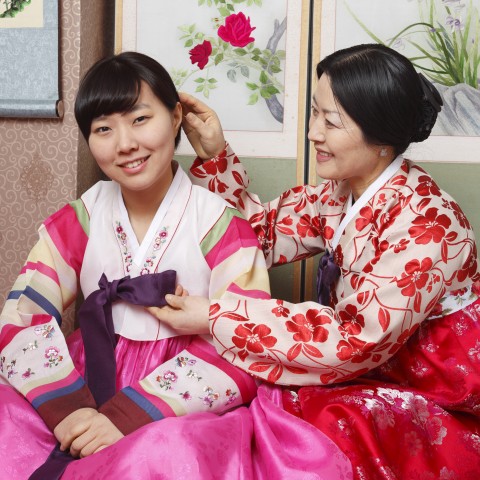
In recent years, there has been a significant movement to integrate traditional elements into everyday wear, leading to the rise of the modern hanbok. Designers have taken the silhouette of the traditional Korean clothing and modified it for comfort, mobility, and contemporary style.
Modern hanbok often features shorter skirts, practical fabrics like cotton and linen, and pockets. It has become a popular choice for young people who want to express their cultural pride while maintaining a chic, functional look. You can frequently spot this style on the streets of modern Seoul, blending effortlessly with contemporary pieces. It is a perfect example of how Korean dress continues to honor history while embracing the future.
3. Riding the Wave: K-Pop and Global Influence
It is impossible to discuss Korean fashion without acknowledging the massive impact of the Korean Wave, or Hallyu. The global explosion of Korean pop music and dramas has turned idols and actors into international style icons. Fans around the world eagerly analyze K-pop outfits, seeking to replicate the bold, innovative, and often genre-bending looks.
What makes K-pop styling so unique is its fearless mixing of high fashion with streetwear. You might see a music video where performers combine luxury designer pieces with rugged, vintage elements or oversized silhouettes. This fearless approach to styling has heavily influenced global fashion trends, making Korean style synonymous with creativity and cutting-edge aesthetics.
4. The Dynamics of Korean Streetwear
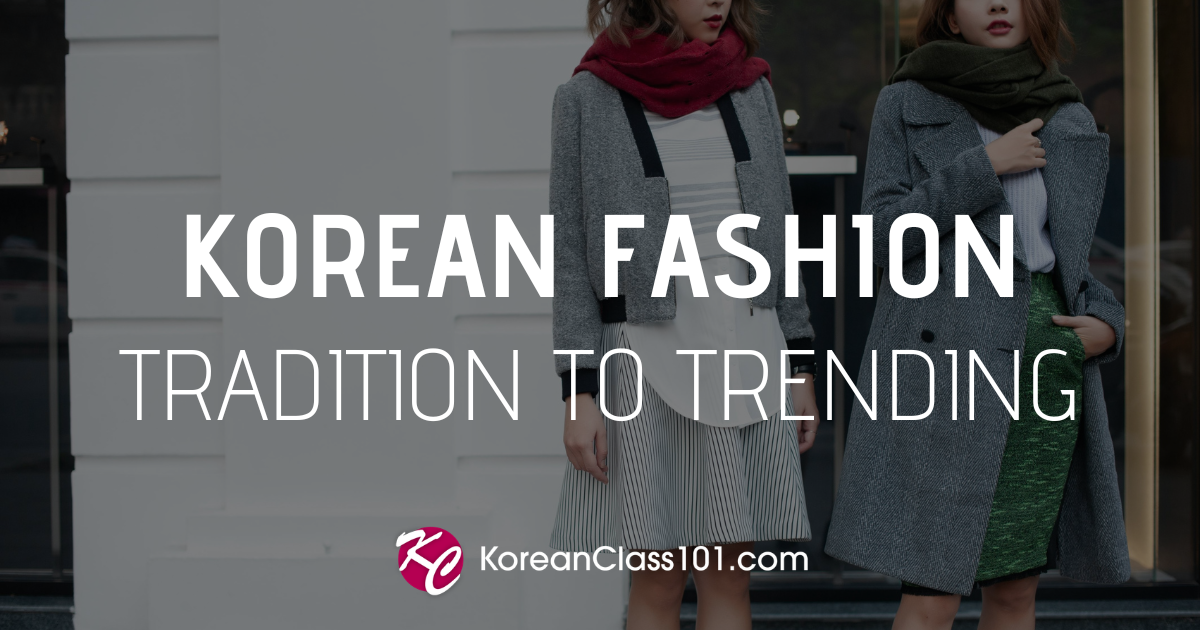
Beyond the stage, everyday street fashion in South Korea is equally compelling. The streets of neighborhoods like Hongdae, Gangnam, and Itaewon serve as real-time runways. Korean fashion is characterized by a few key elements: a focus on fit, a love of layering, and meticulous attention to detail.
Oversized clothing is a dominant trend. From baggy trousers and oversized blazers to large, comfortable sweaters, this relaxed yet intentional silhouette is a staple. Neutral color palettes—blacks, whites, beiges, and soft pastels—are highly favored, allowing the cut and texture of the garments to take center stage.
When looking at how to dress for Korean street style, accessories are essential. Bucket hats, chunky sneakers, and minimalist jewelry are often used to elevate a simple outfit into a cohesive, stylish look.
5. The Rise of Korean Men’s Fashion
One of the most notable shifts in global menswear is the rising influence of Korean men’s fashion. South Korea has redefined contemporary masculinity in fashion, promoting a polished, adventurous, and carefully curated look.
Korean men’s fashion often emphasizes clean lines and a well-groomed appearance. Tailored trousers, crisp button-down shirts, and high-quality knitwear are foundational pieces. However, this polished look is frequently contrasted with casual, oversized elements, creating a balanced aesthetic that is both comfortable and chic.
If you observe the fashion style Korean men tend to favor, you will notice a strong emphasis on grooming and skincare as part of the overall presentation. The Korean dressing style man is not afraid to experiment with gender-fluid pieces, soft color palettes, and delicate fabrics. This openness has made Korean fashion men a major source of inspiration for menswear enthusiasts worldwide.
6. Leading the Charge: Korean Fashion Brands
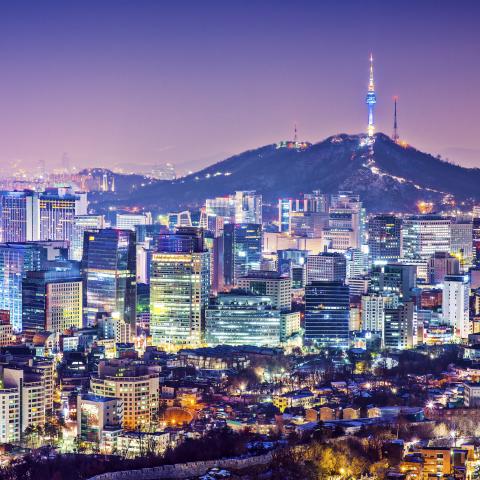
The global demand for Korean style has led to the international prominence of many Korean fashion brands. These brands range from affordable streetwear labels to high-end designer fashion houses, offering something for every aesthetic and budget.
Finding a standout clothes brand in Korea is not difficult, as the domestic market is incredibly competitive and innovative. Brands like Ader Error, Thisisneverthat, and Andersson Bell have gained international cult followings for their unique interpretations of streetwear and contemporary design. They often blend elements of traditional tailoring with avant-garde details, creating a distinctive look that stands out in the global market.
Whether you are looking for a sleek, minimalist Korean dress for an evening out or a cozy, oversized hoodie for a casual day, Korean brands consistently deliver high-quality, trend-setting pieces.
7. Conclusion
The landscape of Korean clothing and fashion is a brilliant reflection of the country itself: deeply respectful of its rich history, yet relentlessly forward-looking and innovative. From the graceful lines of a traditional hanbok to the bold, experimental looks of modern streetwear, South Korea has firmly established itself as a global fashion powerhouse. By understanding these trends, the historical context, and the cultural significance behind the garments, you gain a much deeper appreciation for the vibrant, ever-evolving world of Korean style.